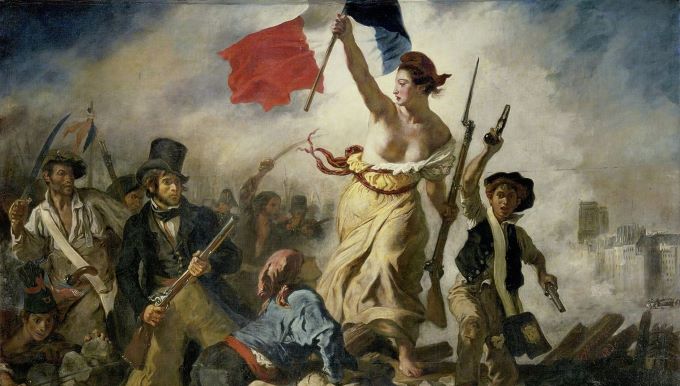
The French Revolution was a major event in European history that lasted from 1789 to 1799. It was a time of political and social upheaval in France, marked by significant changes to the country’s political and social structure.
The French Revolution was triggered by a number of factors, including widespread poverty, food shortages, and economic instability, as well as a growing sense of discontent with the political and social structures of the time. The French people, especially the middle and lower classes, had long been frustrated with the privileges enjoyed by the nobility and the clergy, who were exempt from many of the taxes that the rest of the population had to pay. This sense of frustration and injustice came to a head in 1789, when a group of representatives from the different classes gathered at the Estates-General to demand reforms to the political system.

The French Revolution began with the storming of the Bastille, a medieval prison in Paris that had come to symbolize the tyranny and oppression of the old regime. The fall of the Bastille marked the beginning of a wave of political and social change that swept across France. In the months that followed, the representatives of the people, who had gathered in the National Assembly, worked to draft a new constitution that would provide equal rights and opportunities for all citizens. This constitution, which was known as the Declaration of the Rights of Man and Citizen, was a key turning point in the revolution, marking a shift away from the old order and toward a new era of democracy and freedom.
One of the most significant events of the French Revolution was the Reign of Terror, a period of violence and bloodshed that lasted from 1793 to 1794. During this time, the radical Jacobins, who had come to dominate the National Assembly, used their power to eliminate any opposition to their policies. Thousands of people were executed, including many of the nobles and clergy who had opposed the revolution, and many more were imprisoned or exiled. Despite this violence, the French Revolution continued to progress, with the introduction of new laws and reforms that aimed to improve the lives of the people and create a more equal society.

The French Revolution also had a profound impact on the rest of Europe. The ideas of liberty, equality, and fraternity that had been at the heart of the revolution inspired similar movements in other countries, and helped to spread the idea of democracy across the continent. In addition, the revolution had far-reaching effects on the economy, as the introduction of new taxes and regulations helped to create a more stable and efficient system.
The French Revolution marked a key turning point in European history, paving the way for the development of modern democracy and political freedoms. Although the revolution was characterized by violence and bloodshed, it also led to important reforms and improvements in the lives of the French people. Today, the French Revolution is remembered as a time of great change and transformation, a time when the people of France rose up against the old order and fought for a better future.

The French Revolution was a major event in European history that lasted from 1789 to 1799. It was a time of political and social upheaval in France, marked by significant changes to the country’s political and social structure. The revolution was characterized by a wave of political and social change, as the people of France worked to create a more equal and just society. Despite the violence and bloodshed that characterized the Reign of Terror, the French Revolution had a profound impact on the rest of Europe, inspiring similar movements and helping to spread the idea of democracy across the continent. Today, the French Revolution is remembered as a key turning point in European history, a time of great change and transformation that paved the way for the development of modern democracy and political freedoms.