The Enlightenment was a cultural, intellectual, and scientific movement that took place in Europe during the late 17th and 18th centuries. The Enlightenment marked a significant shift in the way people thought about the world and their place in it, and it had far-reaching consequences for science, politics, and philosophy.
The Enlightenment was characterized by a spirit of reason and skepticism, and it was influenced by a variety of ideas, including the scientific revolution, the Renaissance, and the ideas of humanism. The Enlightenment was also shaped by the growth of trade, commerce, and travel, which helped to spread ideas and information across Europe.

The Enlightenment was marked by a number of important figures and thinkers, including John Locke, Isaac Newton, Immanuel Kant, and Voltaire, who challenged the authority of the Catholic Church and the absolute power of the monarchs, and advocated for the rights of the individual. These thinkers believed that reason and knowledge could be used to improve the world and to create a better society, and they encouraged people to question tradition and to seek out new ideas and knowledge.

The Enlightenment also had important implications for science and technology, as it encouraged the growth of new scientific disciplines and helped to spur technological innovation. The Enlightenment was marked by a growing interest in natural history and the natural sciences, and it was during this time that the foundations of modern science were laid.
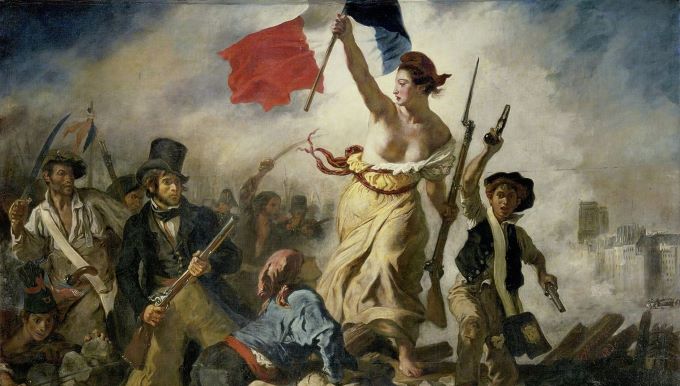
The Enlightenment also had significant political implications, as it helped to lay the groundwork for the growth of modern democracy. The ideas of the Enlightenment, such as the idea of individual rights and the belief in the power of reason, helped to inspire the American and French Revolutions, which challenged the absolute power of the monarchs and established new, democratic forms of government.
The Enlightenment also had important cultural implications, as it encouraged the growth of the arts and humanities. The Enlightenment was marked by a growing interest in literature, music, and visual arts, and it was during this time that many of the greatest works of art and literature were created. The Enlightenment also helped to foster a more critical and independent spirit, and it encouraged the growth of new forms of religious and artistic expression.

Despite its many achievements, the Enlightenment was not without its challenges and controversies. The Enlightenment was marked by a growing divide between the educated elite and the rest of society, and it was also criticized for its lack of concern for the less fortunate members of society. The Enlightenment also contributed to the growth of nationalism and the rise of national identities, which had important implications for the formation of modern Europe.
The Enlightenment was a significant turning point in European history. It challenged the authority of the Catholic Church and the absolute power of the monarchs, and it had far-reaching consequences for science, politics, and culture. The Enlightenment encouraged the growth of reason, knowledge, and critical thinking, and it helped to lay the groundwork for the growth of modern democracy. Despite its many challenges and controversies, the Enlightenment remains an important part of the world’s cultural heritage to this day.