Agriculture is a cornerstone of human civilization that has had a profound impact on the way we live, the food we eat, and the societies we build. The development of agriculture has been a long and gradual process, shaped by a combination of environmental, technological, and social factors.
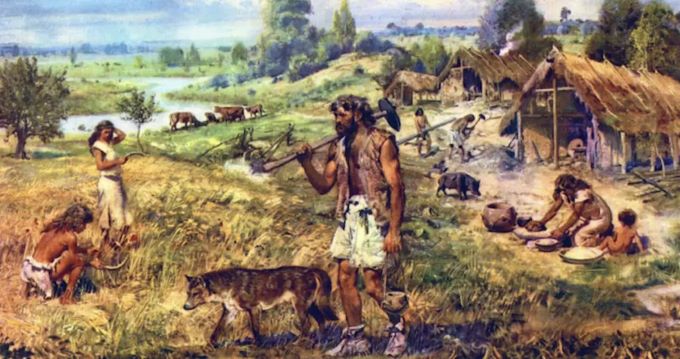
Agriculture is believed to have first emerged in the Near East around 10,000 years ago. Prior to the development of agriculture, humans lived as hunter-gatherers, relying on wild plants and animals for their food. However, as the climate became drier and food became scarcer, humans began to experiment with cultivating crops and raising animals for food.
One of the key factors that facilitated the development of agriculture was the availability of wild grains, such as wheat and barley. These grains were easy to grow and could be stored for long periods of time, making them a reliable source of food. Humans learned to cultivate these grains and over time, they developed new techniques for improving crop yields and increasing food production.
Another key factor that contributed to the development of agriculture was the domestication of animals. Humans learned to raise animals for food, using them for their meat, milk, and hides. This allowed for a more efficient and sustainable food supply, and it opened up new opportunities for trade and commerce.
The development of agriculture had a profound impact on human society. For the first time, humans were able to settle in one place and build permanent communities. This allowed for the growth of larger and more complex societies, and it facilitated the development of cities, governments, and civilizations. Agriculture also allowed for the production of surplus food, which allowed for the growth of populations and the development of specialized occupations, such as craftsmen, traders, and soldiers.
Over time, agriculture continued to evolve and improve, driven by technological innovations and changing social and economic conditions. For example, the development of the plow and the use of draft animals revolutionized agricultural production, allowing for greater yields and more efficient food production. In addition, the introduction of new crops and techniques, such as irrigation and fertilization, improved agricultural productivity and helped to support the growth of populations.
However, the development of agriculture was not without its challenges. For example, the growth of large, permanent settlements led to new problems, such as disease and food insecurity. In addition, the rise of agricultural societies brought with it new social and political conflicts, such as land disputes and the concentration of wealth and power in the hands of a few.
Despite these challenges, the development of agriculture has been one of the most important events in human history. It has allowed for the growth of societies and civilizations, and it has provided a stable food supply that has allowed for the growth of populations and the development of cultures and traditions.
The development of agriculture has been a long and gradual process, shaped by a combination of environmental, technological, and social factors. It has had a profound impact on human society, allowing for the growth of large, permanent settlements and the development of cities, governments, and civilizations. Today, agriculture remains a critical component of the global food system, providing food for billions of people and supporting the economies of nations around the world.