The invention of the wheel is widely considered one of the most important technological advancements in human history. It transformed transportation, agriculture, and commerce, enabling societies to develop and thrive in ways that were previously not possible.
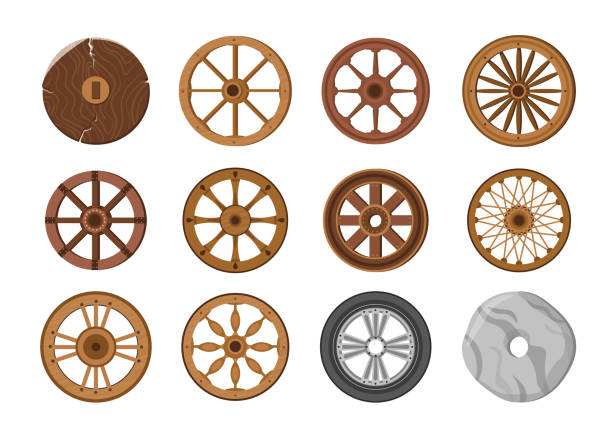
The exact origins of the wheel are not known, but evidence of its use dates back over 5,500 years, to ancient civilizations in Mesopotamia and the Indus Valley. The earliest wheels were likely made from solid pieces of wood and were used primarily for transportation, attached to carts and wagons to make it easier to transport goods and people.
As civilizations became more advanced, they began to refine the design of the wheel. The invention of the spokes, for example, made wheels lighter and stronger, allowing for greater speeds and the ability to carry heavier loads. The invention of the axel, meanwhile, made it possible to attach wheels to chariots and other vehicles, making transportation even more efficient.
The wheel also revolutionized agriculture. The invention of the plow, which was pulled by oxen or horses, allowed farmers to cultivate larger fields more efficiently. The wheelbarrow, which used two wheels and a handle, made it easier for farmers to move heavy loads of soil and other materials. The water wheel, used for irrigation and to power mills, was another important development in agricultural technology.
The wheel also had a profound impact on commerce. With the ability to transport goods more easily and efficiently, trade routes opened up and commerce flourished. The wheel also enabled the development of roads and bridges, making it possible to transport goods over long distances.
Despite its importance, the wheel faced some challenges in its early days. For example, roads were often rough and bumpy, making it difficult for carts and wagons to traverse them. The wheels themselves were also prone to breaking, especially when carrying heavy loads.
Despite these challenges, the wheel continued to evolve and improve over time. In the 19th century, for example, the invention of the rubber tire made wheels more durable and reliable. This, in turn, led to the development of the automobile, which changed transportation forever.
Today, the wheel remains an essential part of our daily lives. From the cars we drive to the appliances we use, the wheel is ubiquitous, a testament to its importance and versatility.
The invention of the wheel was a turning point in human history. It transformed transportation, agriculture, and commerce, enabling societies to develop and thrive in ways that were previously not possible. Despite its challenges, the wheel has continued to evolve and improve, and remains an essential part of our lives today.