The rise of the Mongol Empire marked a significant turning point in world history. From their origins as a small nomadic tribe on the steppes of Central Asia, the Mongols went on to create one of the largest and most powerful empires the world has ever seen.
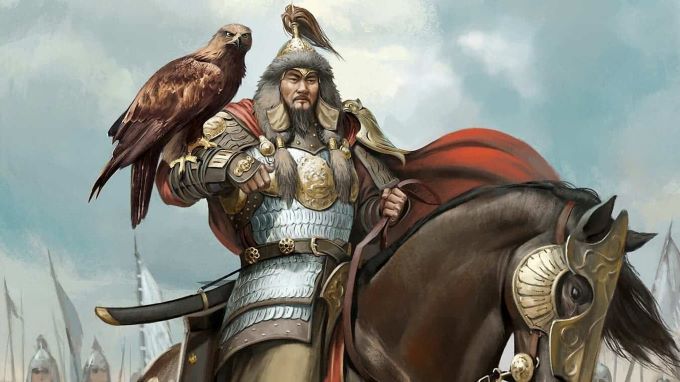
The Mongol Empire was founded by Genghis Khan, who rose to power in the early 13th century. Genghis Khan was a skilled military leader, and he quickly gained a reputation for his tactical genius and his ability to unite the various Mongol tribes under his rule. Under his leadership, the Mongols embarked on a series of successful military campaigns, expanding their territory and consolidating their power.

One of the key factors in the rise of the Mongol Empire was the mobility of its army. The Mongols were nomadic people, and they used this mobility to their advantage, striking quickly and decisively against their enemies. Their military tactics, which involved lightning-fast raids and rapid mobility, were highly effective, and they enabled the Mongols to conquer vast territories with relative ease.
The Mongol Empire also benefited from its political structure. Genghis Khan established a sophisticated system of government that was characterized by its efficiency and its ability to adapt to changing circumstances. This system of government went on to influence the development of later empires, and it remains an important legacy of the Mongol Empire to this day.

Under the leadership of Genghis Khan and his successors, the Mongol Empire expanded rapidly, conquering vast territories and assimilating the peoples of the lands they conquered. The empire eventually extended from Eastern Europe to the Korean Peninsula, and it included territories in Central Asia, the Middle East, and China.
Despite its size and power, the Mongol Empire was characterized by its cultural and religious diversity. The empire was home to people of many different ethnicities and religions, including Christians, Jews, and Muslims. Despite this diversity, the empire was held together by a strong sense of unity and a shared cultural identity, and it went on to become one of the most influential political and cultural entities of the ancient world.

The Mongol Empire also made important contributions to the fields of art, science, and religion. The Mongols were great patrons of the arts, and they supported the development of literary and artistic traditions throughout the empire. They also made significant contributions to the fields of science and religion, and they helped to spread knowledge and ideas throughout the ancient world.
Despite its many achievements, the Mongol Empire faced significant challenges in the later years of its history. In the 14th century, the empire was weakened by internal political struggles, economic hardships, and invasions from neighboring powers. However, despite these challenges, the Mongol Empire managed to endure for over a hundred years, and it remains an important part of the world’s cultural heritage to this day.

The rise of the Mongol Empire marked a significant turning point in world history. From their origins as a small nomadic tribe on the steppes of Central Asia, the Mongols went on to create one of the largest and most powerful empires the world has ever seen, and they left a lasting impact on the world through their contributions to art, science, religion, and government. Despite its many challenges, the Mongol Empire managed to endure for over a hundred years, and it remains an important part of the world’s cultural heritage to this day.