The Scientific Revolution was a period of great change and discovery in Europe from the 16th to the 18th century. It was a time of profound transformation in the way people thought about the world and their place in it, as new ideas and discoveries challenged the prevailing Aristotelian worldview and laid the foundation for modern science.
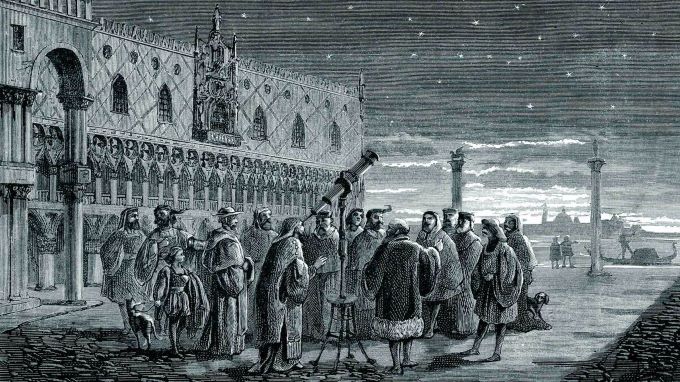
At the heart of the Scientific Revolution was a new way of thinking about the natural world. Scientists such as Nicolaus Copernicus, Galileo Galilei, and Johannes Kepler challenged the Aristotelian idea that the Earth was the center of the universe and that all heavenly bodies revolved around it. Instead, they proposed new theories, such as the heliocentric model, which placed the Sun at the center of the universe and the Earth and other planets revolving around it.
In addition to new ideas about the universe, the Scientific Revolution also saw the development of new methods for investigating the natural world. Scientists such as Francis Bacon and Robert Boyle introduced the scientific method, a systematic way of observing, experimenting, and testing hypotheses about the natural world. This new approach to scientific inquiry paved the way for further discoveries and advancements in many fields, from physics and astronomy to medicine and biology.
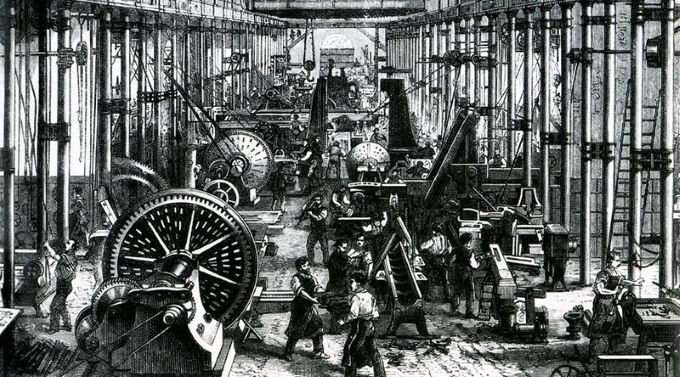
One of the greatest achievements of the Scientific Revolution was the development of mechanics, the study of motion and its causes. Scientists such as Isaac Newton and Gottfried Leibniz made significant contributions to this field, formulating laws of motion and gravity that explained the behavior of objects in the natural world. These laws had far-reaching implications, not just for our understanding of the universe, but also for technological advancements such as the development of steam engines, which powered the Industrial Revolution.

The Scientific Revolution also had a profound impact on medicine and biology. Scientists such as William Harvey made important discoveries about the circulatory system and the role of the heart in blood circulation, while others, such as Anton van Leeuwenhoek and Robert Hooke, made groundbreaking discoveries in the field of microscopy. These discoveries helped lay the foundation for modern medicine and our understanding of the human body.
The impact of the Scientific Revolution was not limited to Europe. The new ideas and discoveries that emerged during this time spread rapidly, inspiring similar changes in other parts of the world. The Scientific Revolution played a key role in the Enlightenment, a cultural and intellectual movement in the 18th century that was marked by a new emphasis on reason, freedom, and individualism. The ideas of the Enlightenment had far-reaching implications, shaping the political and social landscape of Europe and the world for centuries to come.

The Scientific Revolution was a time of great change and transformation in Europe. It was a period of profound transformation in the way people thought about the world and their place in it, as new ideas and discoveries challenged the prevailing Aristotelian worldview and laid the foundation for modern science. The achievements of the Scientific Revolution had far-reaching implications, shaping not just the world of science, but also the political and social landscape of Europe and the world. The Scientific Revolution remains an important moment in human history, a testament to the power of human curiosity, ingenuity, and creativity.